Building date: 1848 - demolished circa June 1981.
Original use:
Corner structures:
Mortar application and content: Vertical, no embellishment
Types and uses of stones:
Types and choice of windows:
Structures with similar masonry details:
Masons who worked on building:
Unique features:
Map views courtesy Google Maps. Address is Google Earth confirmed; approximate location of where structure once stood - 43°21'19.42"N 78°36'21.87"W.
Town of Somerset and Niagara County Maps
Hand written margin note in Roudabush Survey document, "Demolished 1981 ?".
"The Cobblestone Houses of Upstate New York", compiled by Dorothy Wells Pease. Research done in collaboration with Hazel B. Jeffery, supplemented with material furnished by Carl F. Schmidt. Reference paragraph six in page 10.
Som-2 Gow & Som-3 Van Wagoner: These houses are about a mile apart and are both built on the same architectural plan. The one on Hossmer Road Extension has a second story addition added over the porch, and the original door has a vestibule added, making it look like a door in a bay window. Roudabush Survey page 74
House exudes aura of untold tales, by Marilyn Hayden, Gazette Correspondent, Niagara Falls Gazette, August 6, 1972
What is there about old houses that fascinates people so? Is it the fact that they have withstood the passage of time better than the humans who inhabit them? Or is it that we indulge in the fantasy of having been part of their story?
The cobblestone house on the New York State Electric & Gas property in the Town of Somerset is one of those houses that evokes so much public interest, because in its uninhabited loneliness there is an aura of tales untold.
Its beginnings go back to the early days of Somerset and was one of the first cobblestones built in this area. Morgan Van Wagoner,* the son of a naval officer in the War of 1812, had the house built around 1847 on 254 acres of prime fruit land. The Van Wagoners and their descendants continued to occupy the house until Albert Harrington bought it in 1929.
Mrs. Arthur Harrington Eaton, who grew up in the house, remembers it with fondness and speaks of the beauty in its hardwood floors and the perfection of the cobblestone design on the front of the house. However, since the power company bought the property in 1957, causing the Harringtons to move, time and vandals have taken their toll and Mrs. Eaton’s husband has discouraged her from revisiting it lest her memories become shattered.
Last year, Richard Ray, a young industrial arts teacher, tried to buy the house for NYSE&G with the thought of moving it to another location. Although it is structurally sound, experts told him the mortar used in placing the cobblestones could not survive the move.
The power company had originally thought to bulldoze the house once construction of the generating plant begins. But local interest and a visit from Mrs. Ruth Porter, the historian of Somerset, quickly discouraged those thoughts.
H.D. Sawyer, district manager of the utility has said that the power company has no desire to create unhappy neighbors, so they are investigating the possibility of either creating a "local point of interest" by restoring the house if the type of power generation permits the public use on the grounds, or by renovating the building so that it can be used by company personnel as an office.
Though it has stood empty for the last 15 years, this 19th century building probably will still be around sheltering humans with the dawn of the 21st century. Maybe that's why old houses have so much appeal - they are man's mark on the landscape of time and signify an attempt at that on elusive state each of us thinks about immortality.
(Note: The house was demolished in the early 1980s) *VanWagoner was born in Dutchess county, N.Y. in March, 1809 and died in Lockport, N.Y. ob January 20, 1890. In 1831 he married Elizabeth Wilbur in Avon, N.Y. who died in 1880. He lived in Somerset for nearly 50 years and was town supervisor many years. He lived Lockport the last 24 years of his life. At the time of his death he was a deacon in the Congregational Church. [From obituary in Lockport Journal, January 20, 1890.] Richard Palmer blog.
Morgan Van Wagoner House & Barn, HABS No. NY-5529, Reduced copies of measured drawings, written historical and descriptive data, Historic American Buildings Survey, National Park Service, Department of the Interior, Washington, D.C. 20240.
Photographs of the structure courtesy Library of Congress Historic American Buildings Survey website which has 11 images by Mark C. Zeek, Photographer, 1980. Index to photographs.
Documentation and photographs courtesy of the Library of Congress.
Final Environmental Impact Statement - Permit Application by New York State Electric and Gas Corp. Proposed Cayuga Station. Prepared by U.S. Army Engineer District, Buffalo, N.Y. PP 2-45, 46 (1978):
The Van Wagoner House - The cobblestone house, built in 1848, is located on Hosmer Road, and is now owned by the applicant. A cobblestone tenant house as built sometime after the homestead was constructed, but was razed shortly after 1908. The applicant offered the Van Wagoner house to the Somerset Historical Society, but the idea of moving the building was abandoned due to the prohibitive cost of relocation.
Although approximately 46 cobblestone houses are listed as standing in Niagara County as of 1965, interest in the Van Wagoner house is strong. The building is considered of much historic interest both at the local and as a county historic landmark. It is a handsome, well-preserved building. The house may also meet National Register criteria. The state of preservation, along with the surrounding middens, meet the integrity criterion.
The house is an example of mid-19th century cobblestone construction and is acclaimed by county and local residents. In addition, the building and surrounding middens probably provide useful information. the onsite inspection of this property revealed several features, including the foundation of a second building (probably the tenant house) and two refuse deposits. Materials of historic interest were found in both refuse areas, and are listed in the applicant's cultural resources survey report. The house lies within the circle to be encompassed by traffic for the coal handling system. Richard Palmer blog.
"Somerset's Cobblestone House", by Lisa Knight, Somerset field editor. Editor's Note: Attribution is incomplete because the published source is not known. Van Wagoner House documentation starts with last paragraph in the second column.
"Cobblestone House Available", DHP News, Number 8, Winter 1981, New York State Office of Parks and Recreation, Division for Historic Preservation.
"Historic Cobblestone House Seems Doomed by Project", attribution not provided.
- "Cobblestone Masonry", 1966, Carl Schmidt: Name reference, Van Wagoner House
- Pages 85 - 86
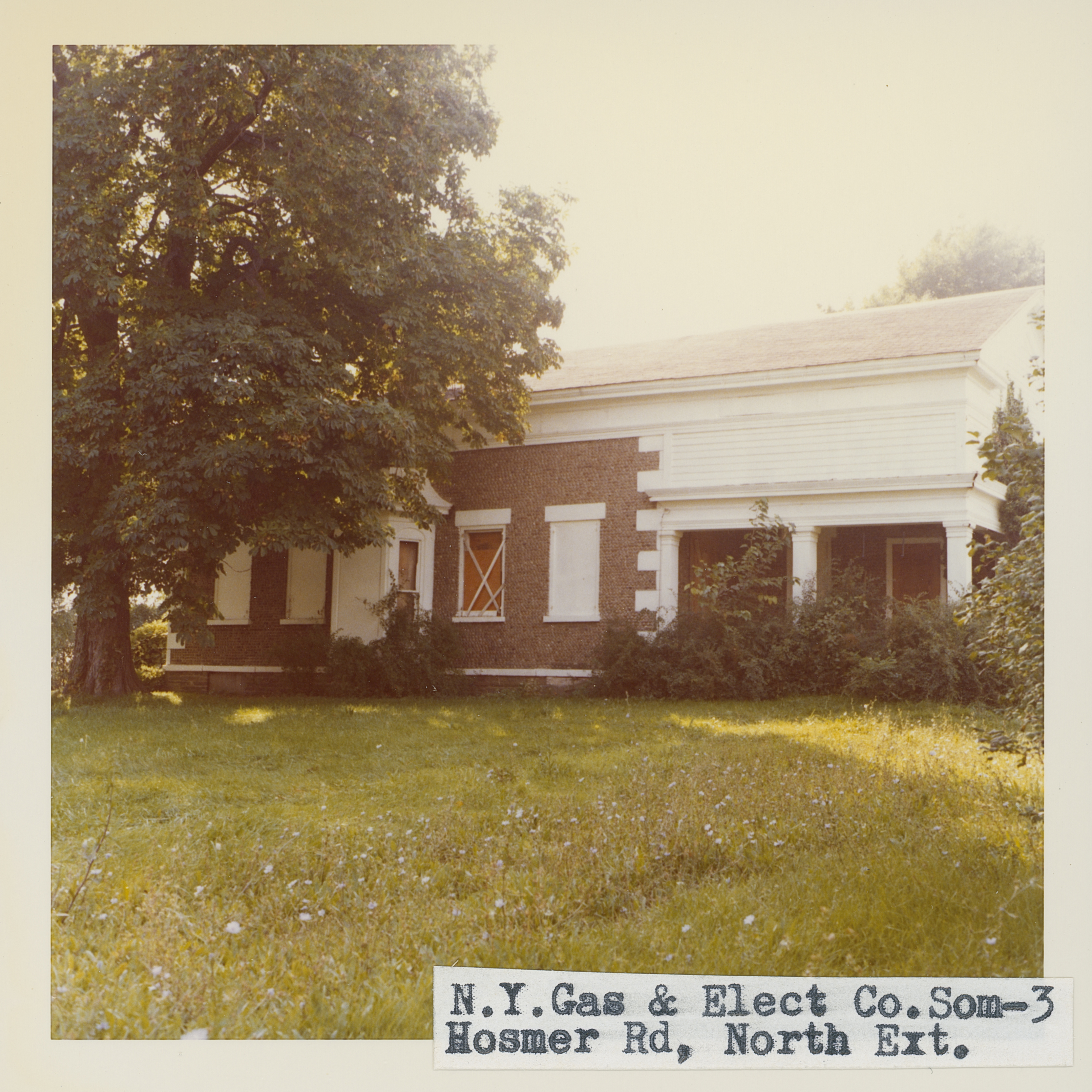 Som_3_1.jpg | 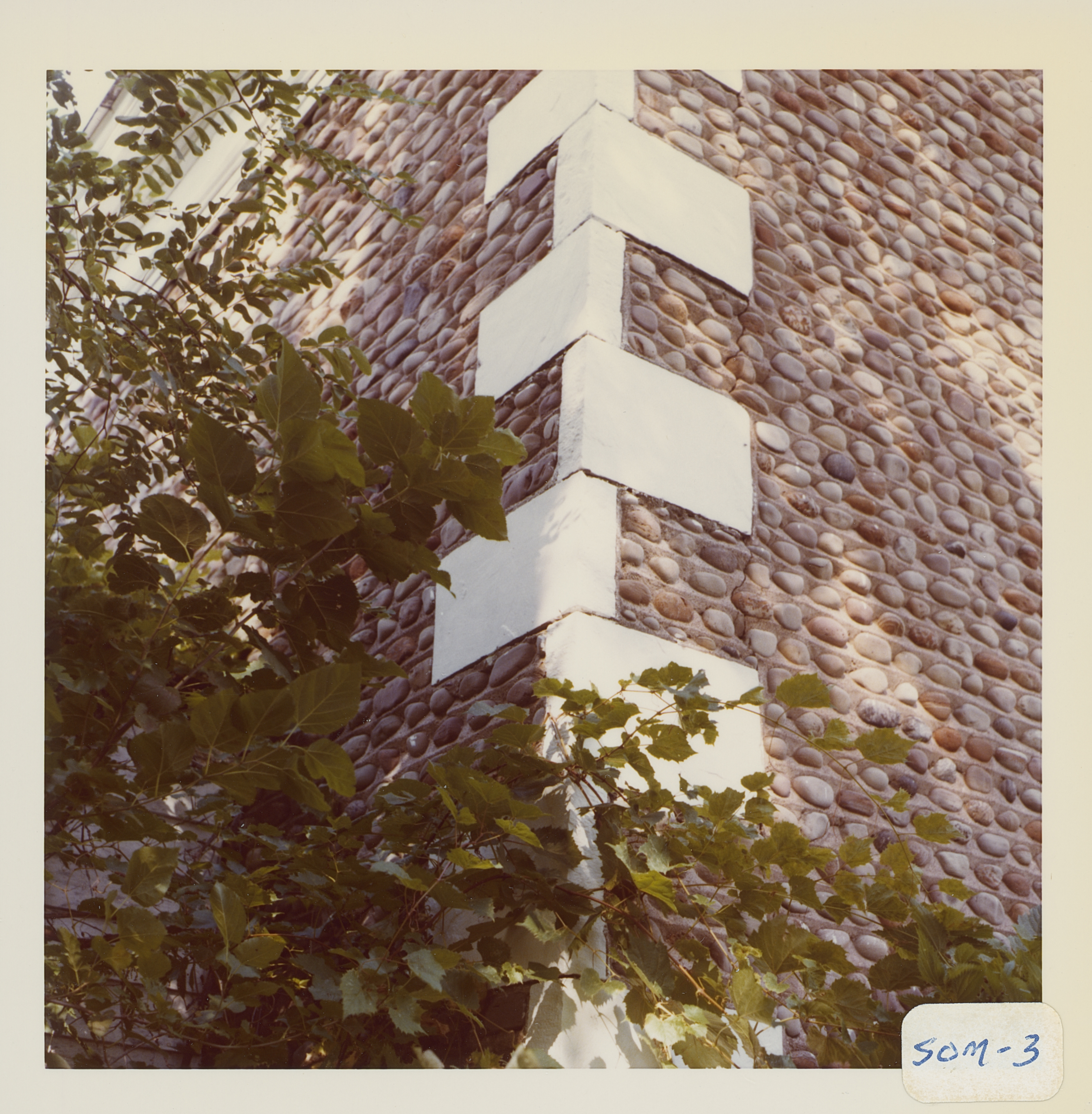 Som_3_2.jpg | 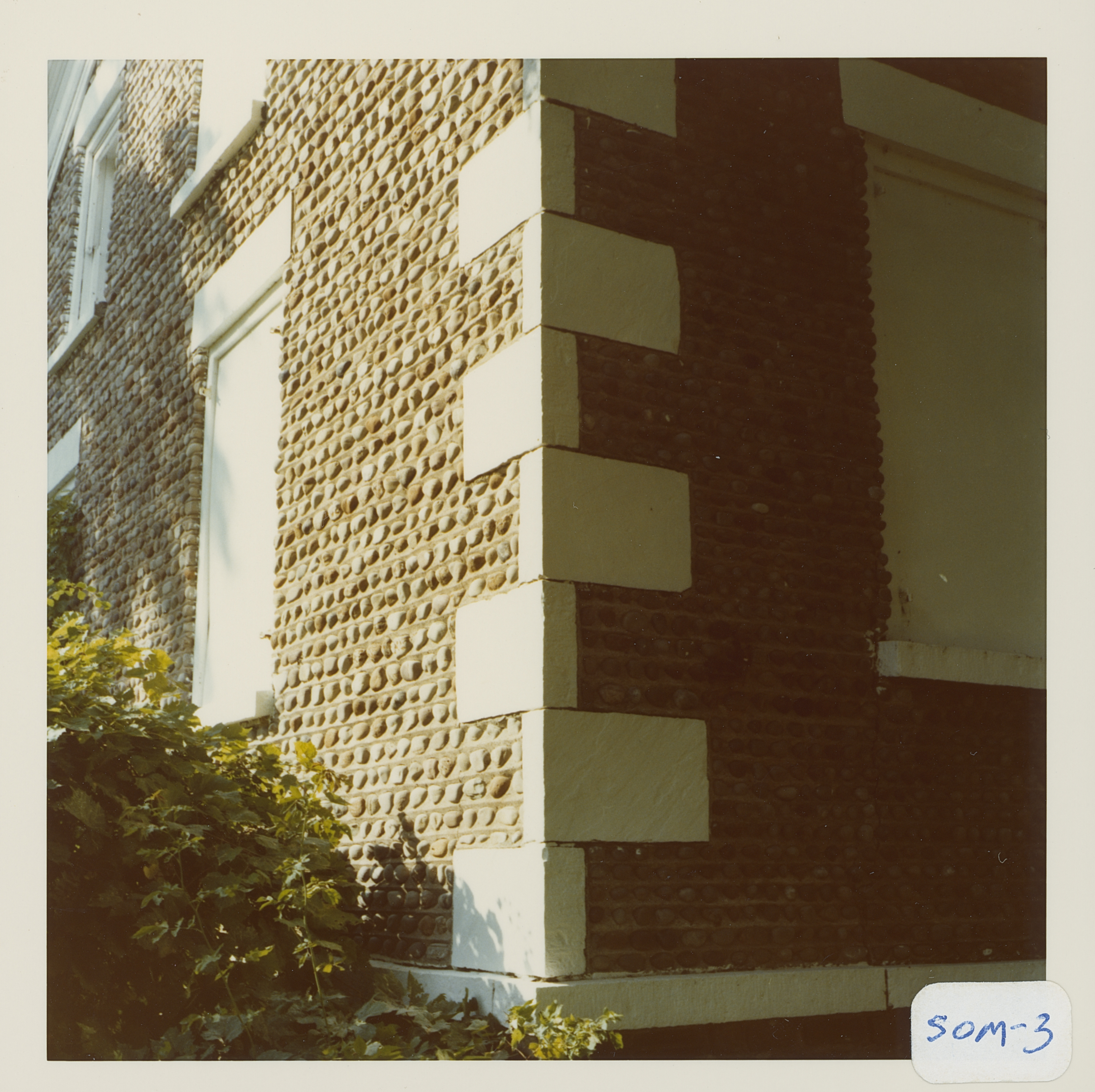 Som_3_3.jpg | 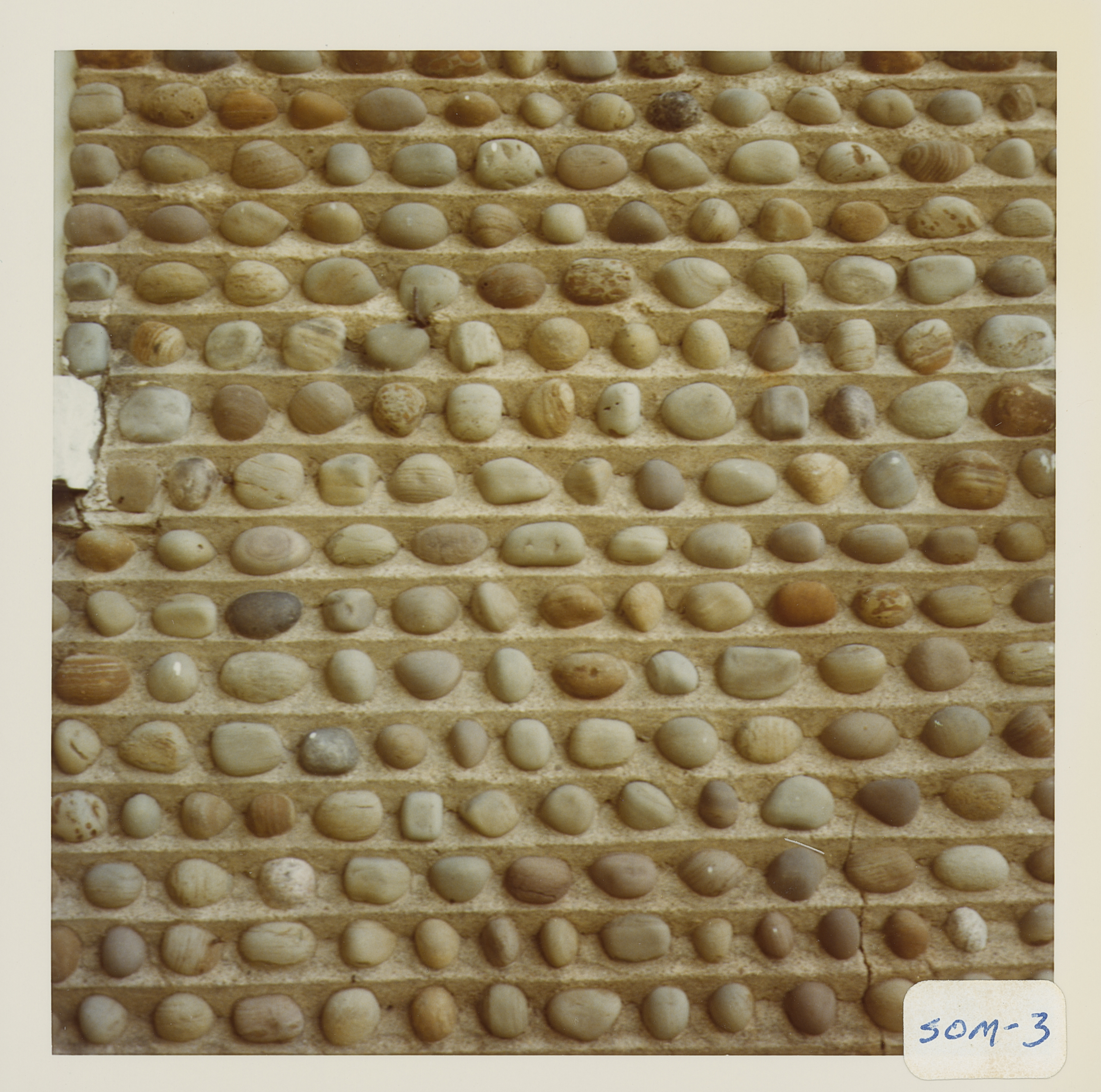 Som_3_4.jpg |
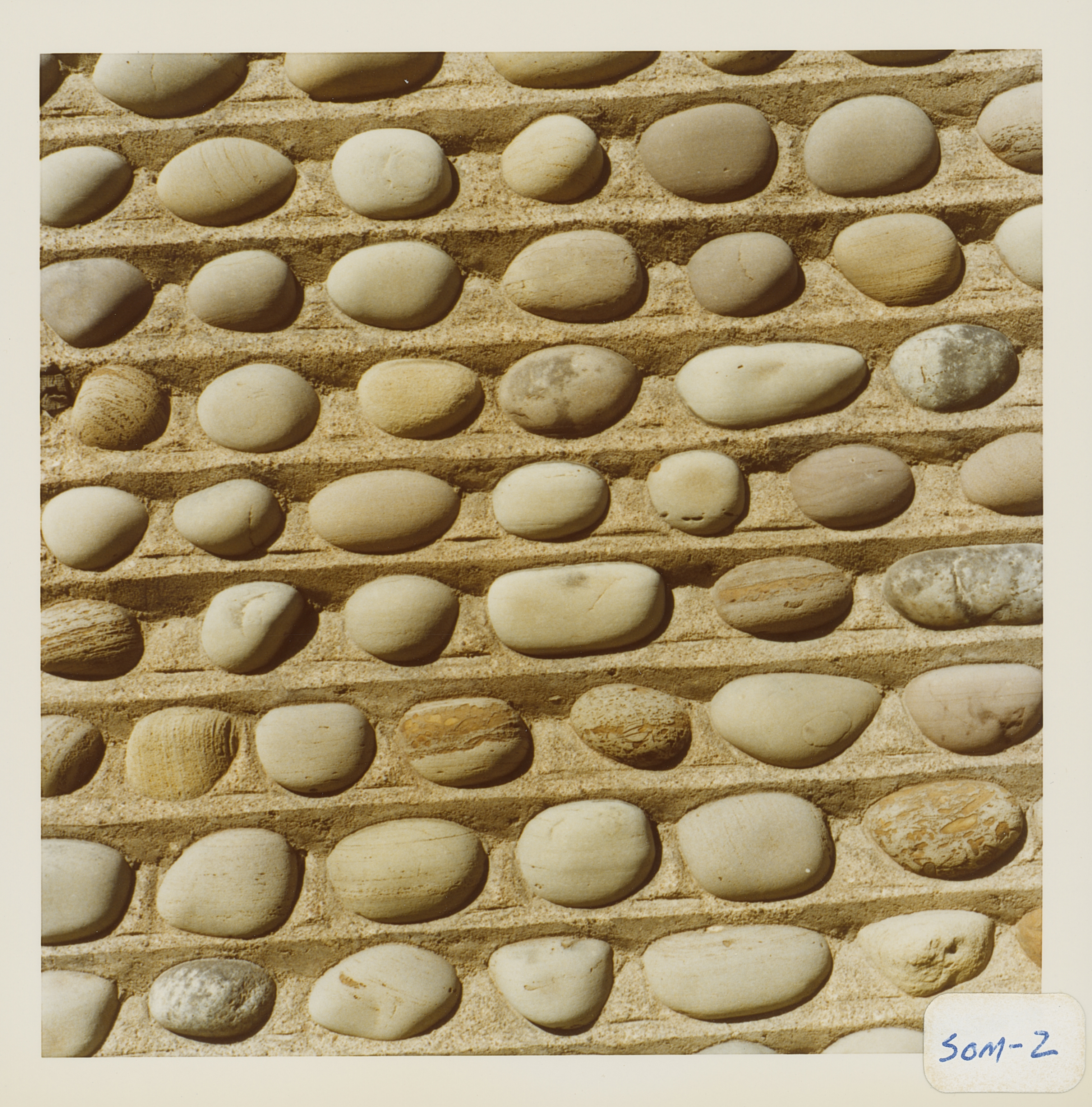 Som_3_5.jpg | 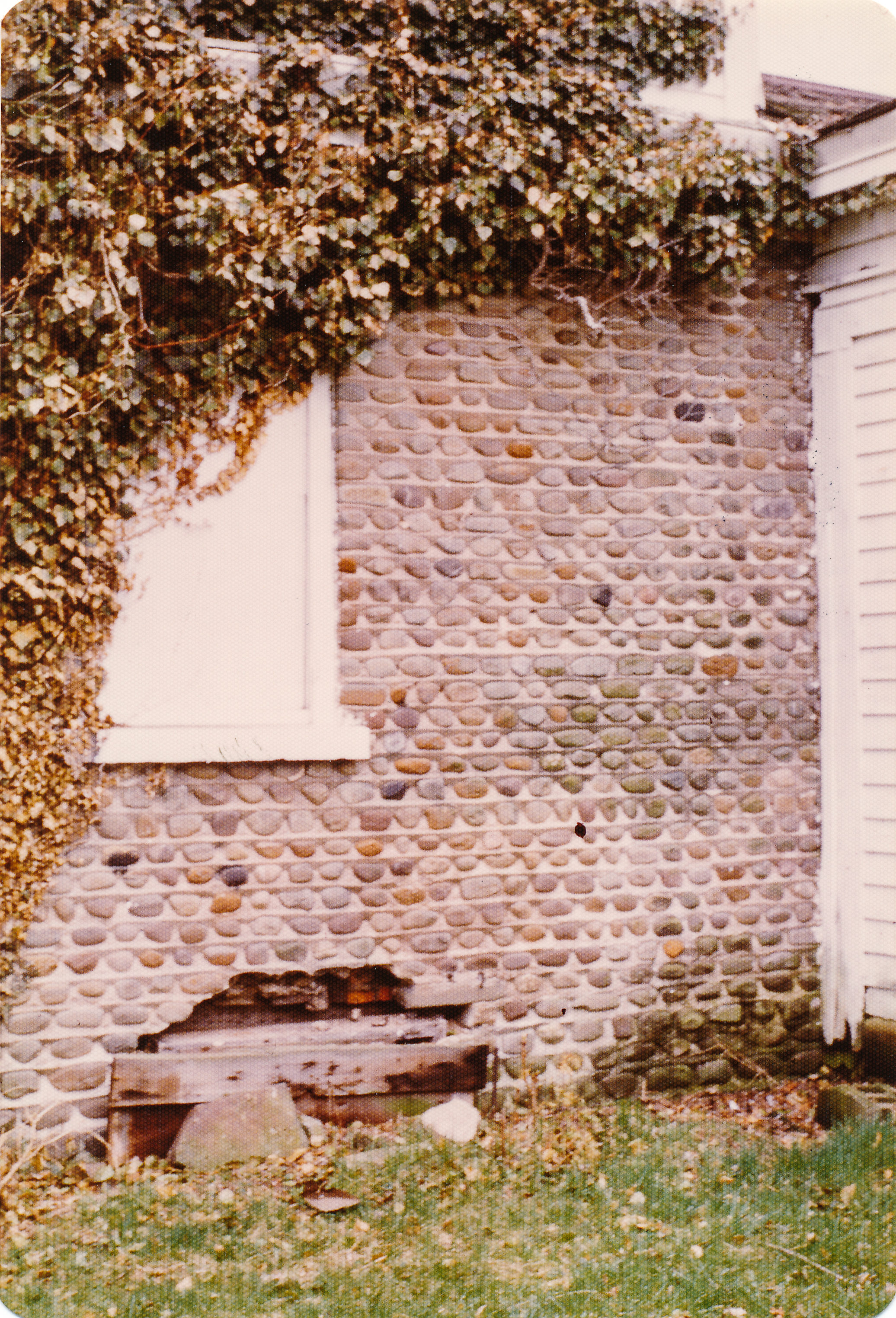 Som-3 Van Wagoner 5.jpg ¹ May 1979 | 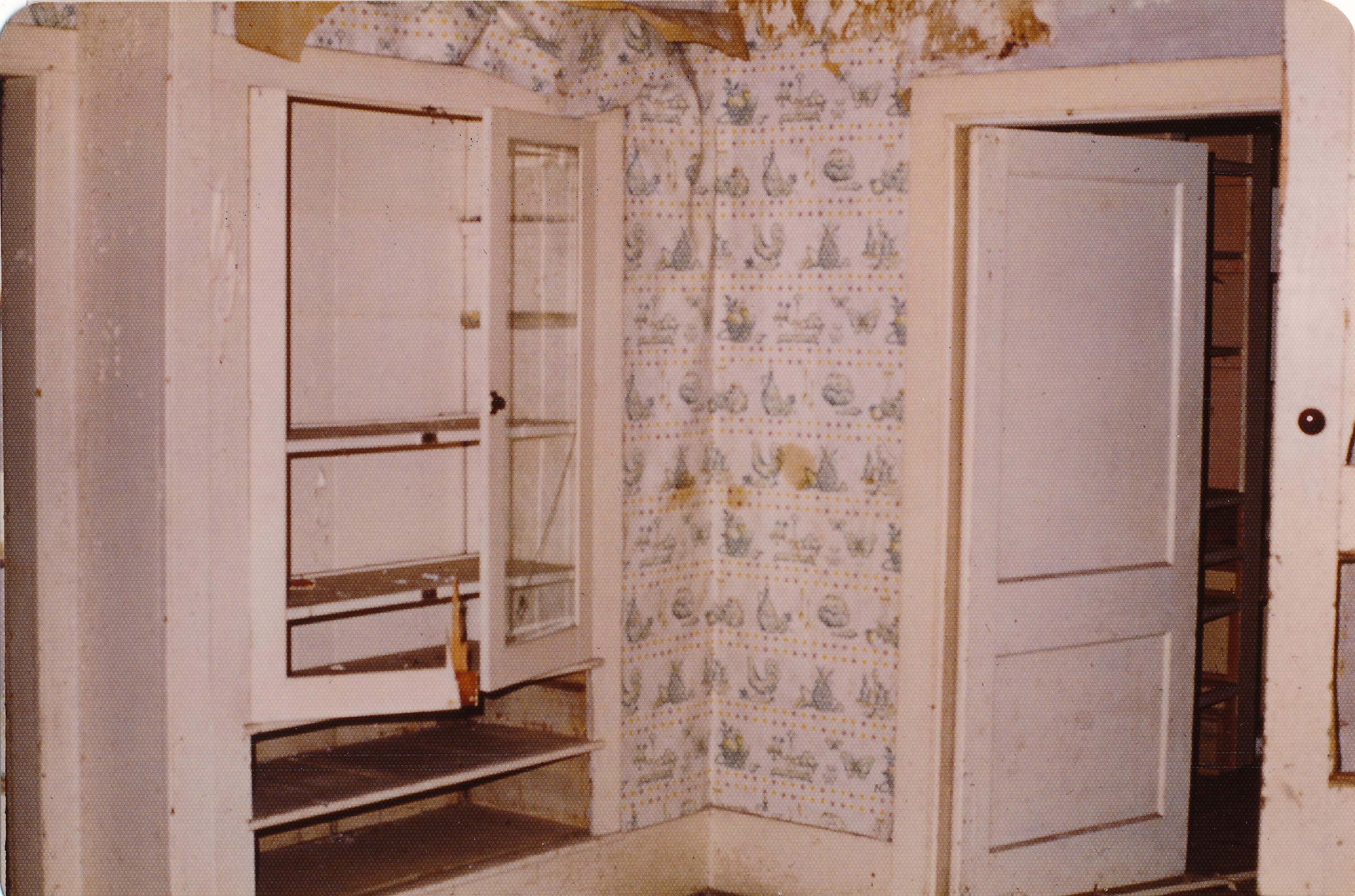 Som-3 Van Wagoner 4.jpg ¹ May 1979 | 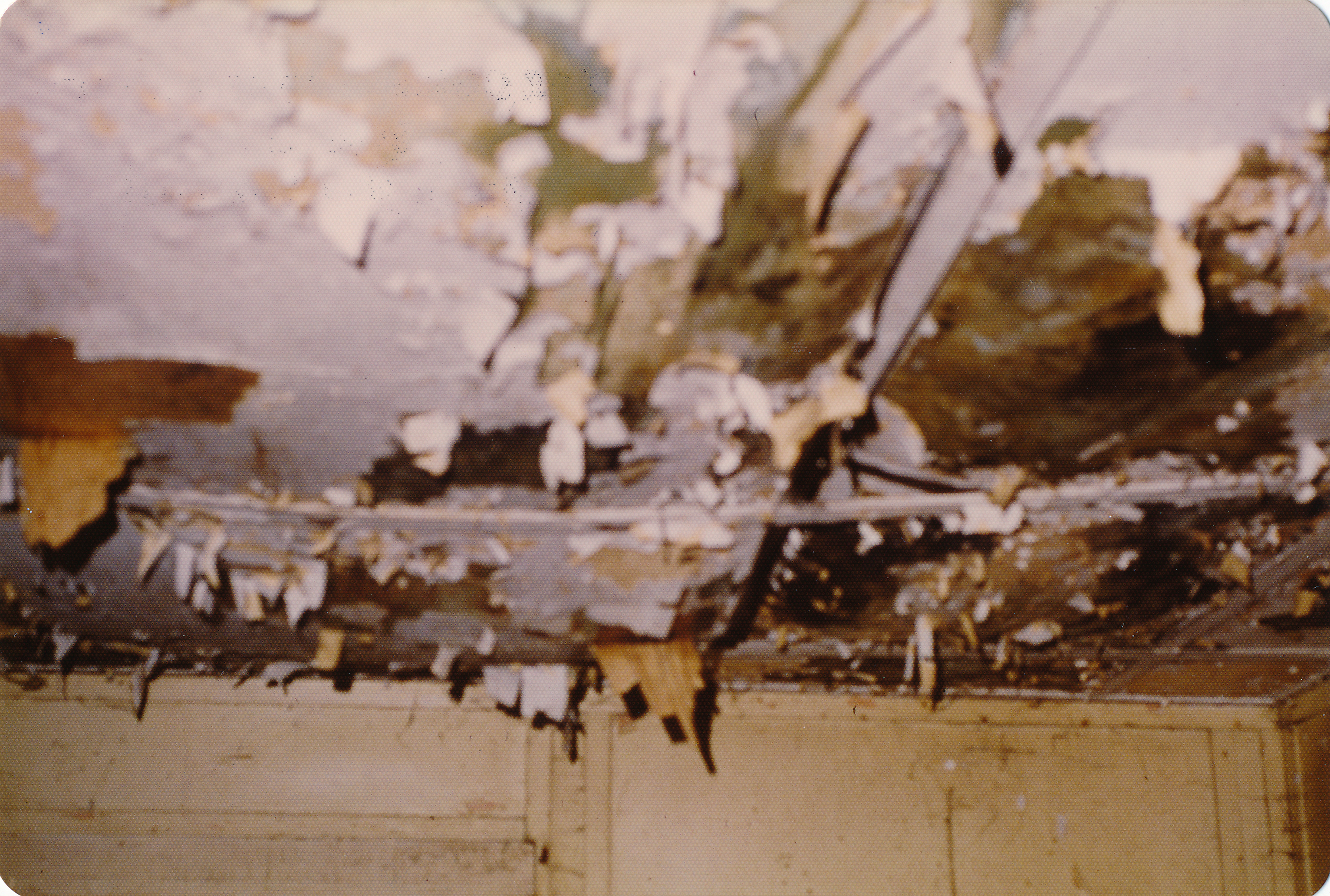 Som-3 Van Wagoner 3.jpg ¹ May 1979 |
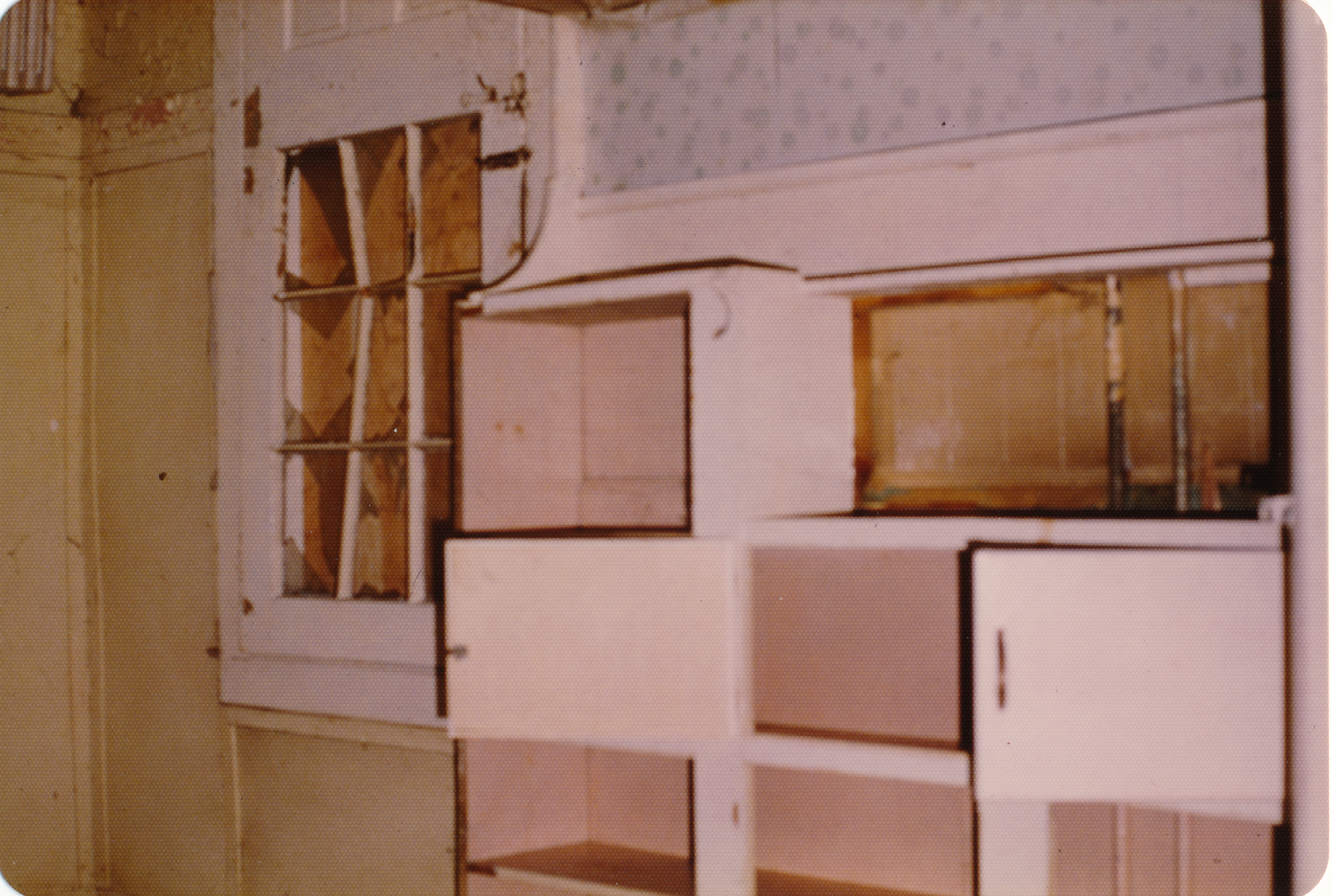 Som-3 Van Wagoner 2.jpg ¹ May 1979 | 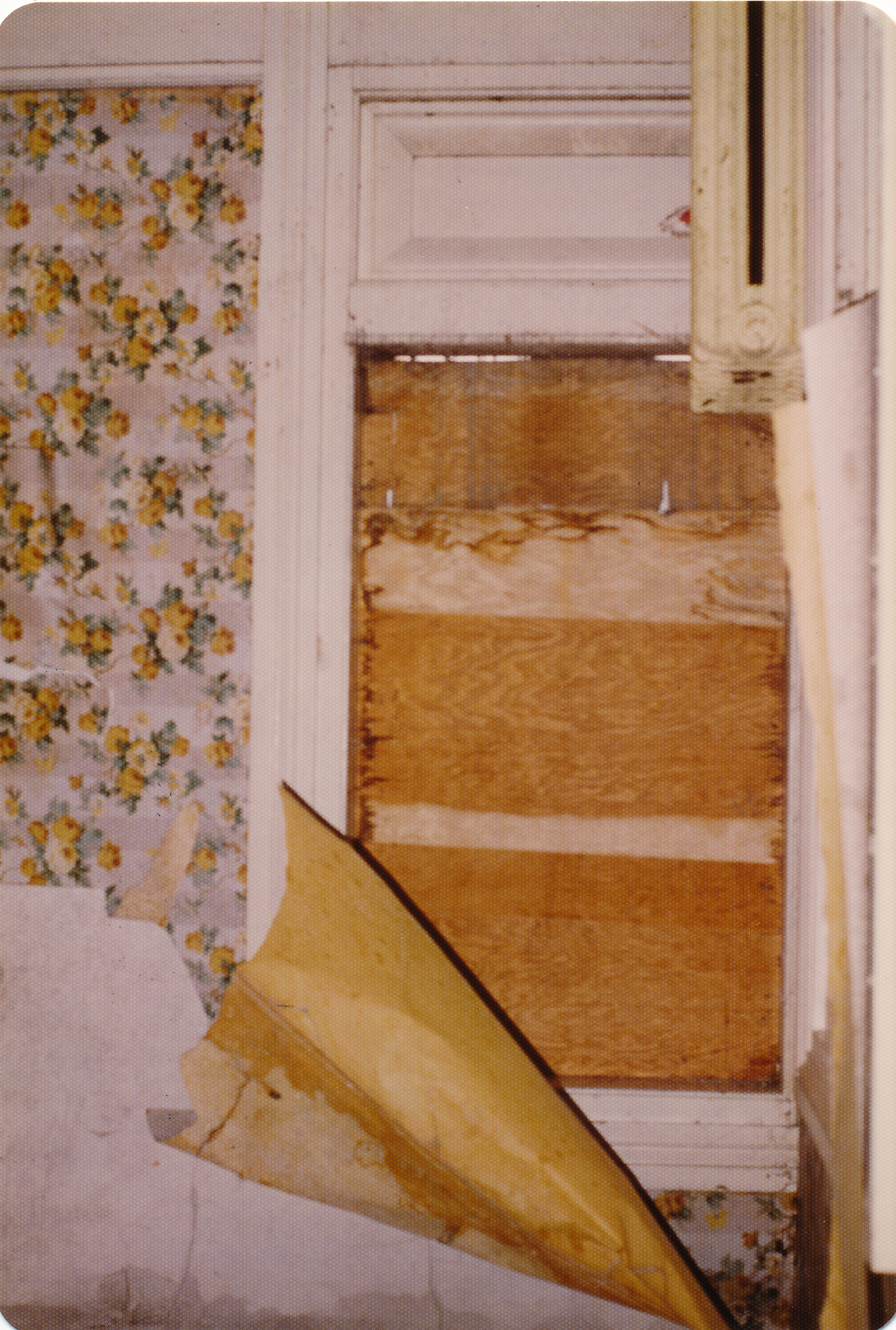 Som-3 Van Wagoner 1.jpg ¹ May 1979 | 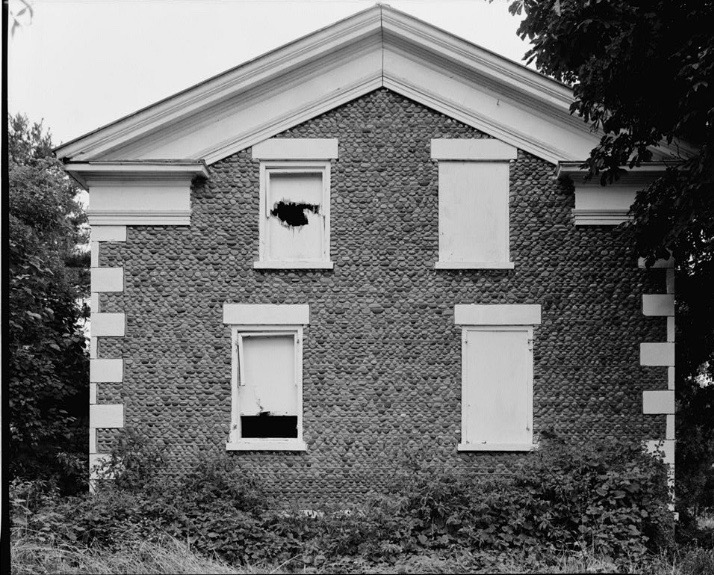 Van Wagoner 1.jpg ² NY-5529-A-2 | 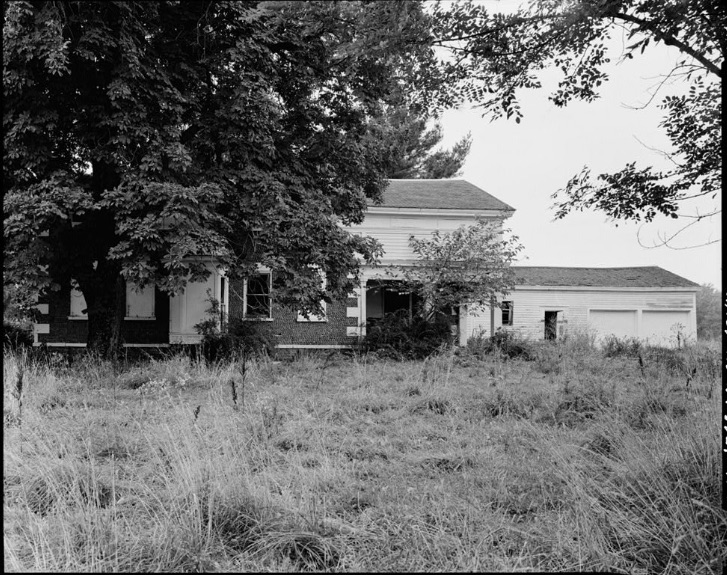 Van Wagoner 2.jpg ² NY-5529-A-1 |
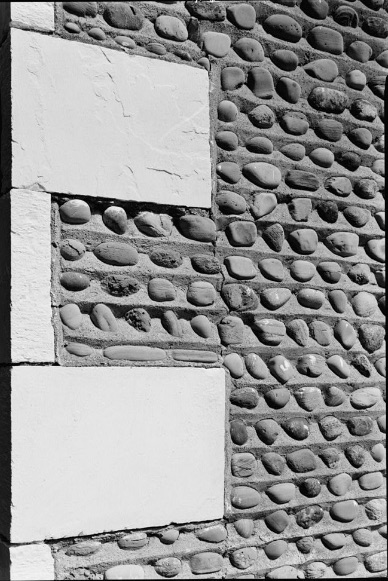 Van Wagoner 3.jpg ² NY-5529-A-4 | 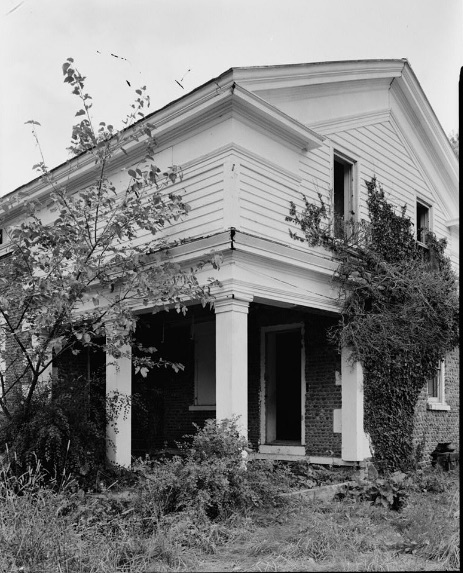 Van Wagoner 5.jpg ² NY-5529-A-7 | 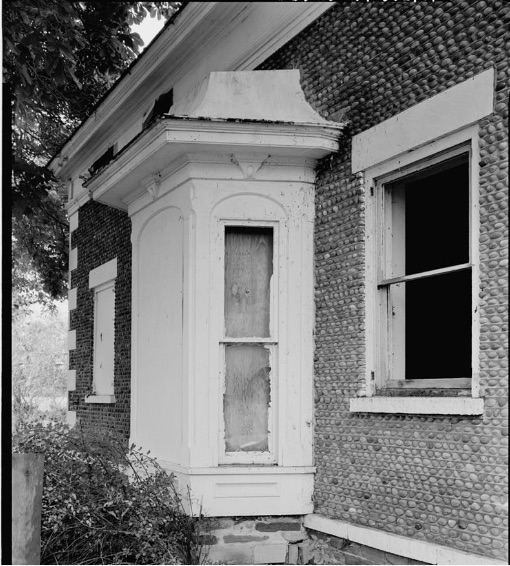 Van Wagoner 6.jpg ² NY-5529-A-6 |
¹ Photography courtesy William D. Lilley, Associate Generating Facilities Analyst, Office of Environmental Planning, State of New York.
² Photography courtesy Library of Congress Historic American Buildings Survey website which has 11 images by Mark C. Zeek, Photographer, 1980. Index to photographs, Index number provided for each photograph above.
